
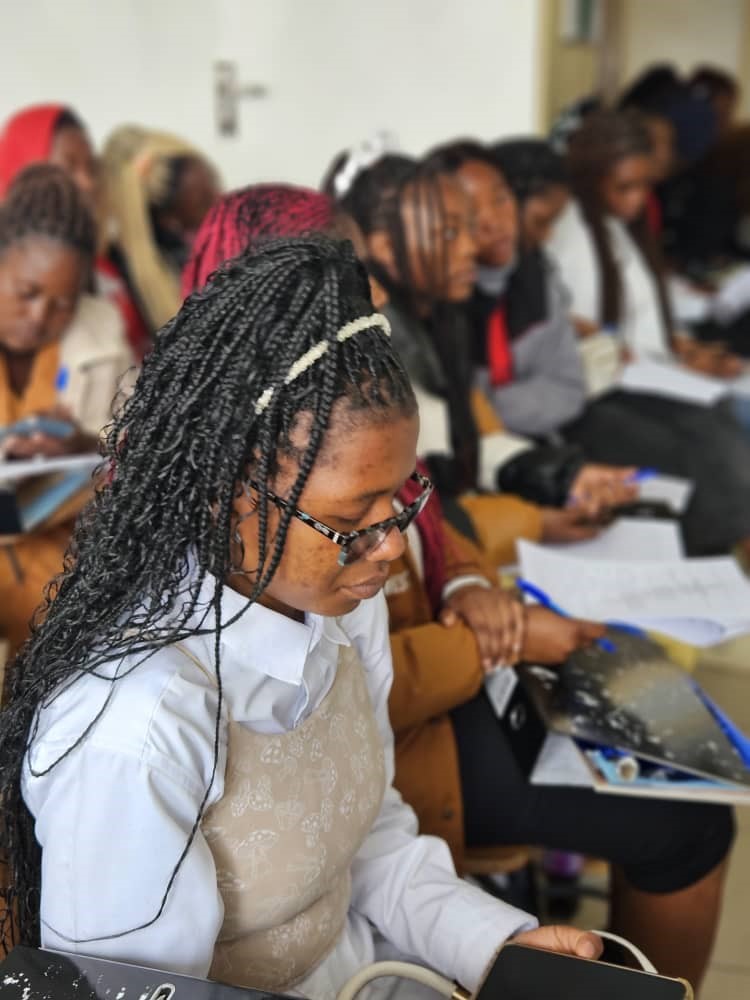
As part of the implementation of the SUSTAIN-IT Project, a series of capacity-building activities were successfully carried out in Rwanda, Zimbabwe, and Namibia, targeting educators, trainers, and institutional stakeholders involved in Technical and Vocational Education and Training (TVET) and higher education. These activities aimed to strengthen institutional and individual capacities in sustainability education, inclusive and digital pedagogical approaches, and social entrepreneurship. The partners exploited the training modules developed by the project and hosted on the Smart Step elearning platform for wide dissemination and replication and replicated and adapted the train the trainers’ activities conducted in Bilbao in September 2025.
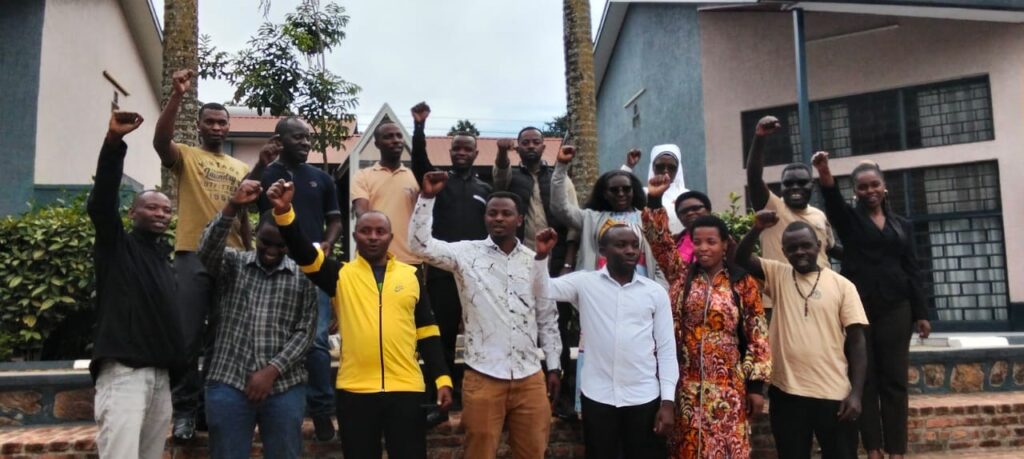
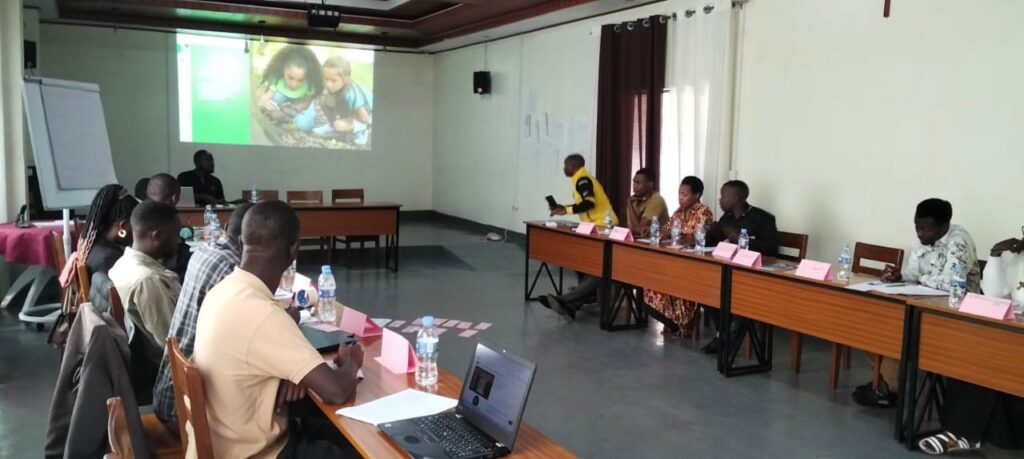
In Rwanda, Don Bosco Rwanda implemented a five-day capacity-building programme in Kigali, engaging 15 TVET trainers from three vocational training centres. The training addressed key thematic areas, including environmental awareness, green skills development, inclusive teaching methodologies, challenge-based learning, and social entrepreneurship. The activity contributed to enhancing trainers’ competencies to integrate sustainability-oriented approaches into vocational education and training delivery.
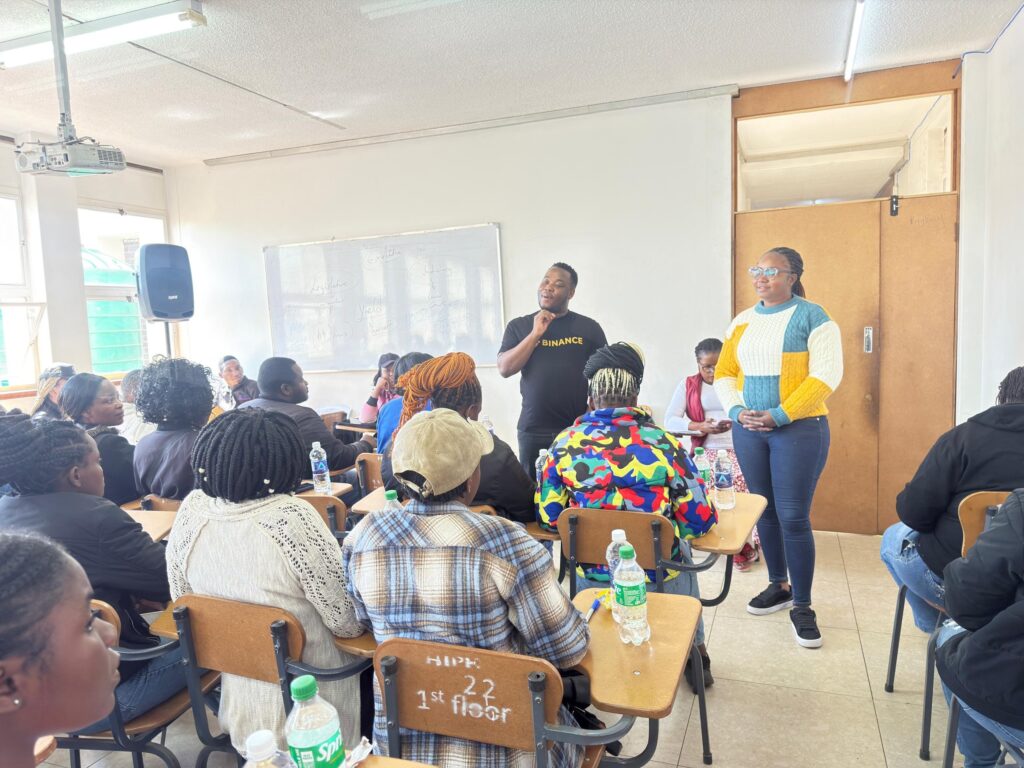
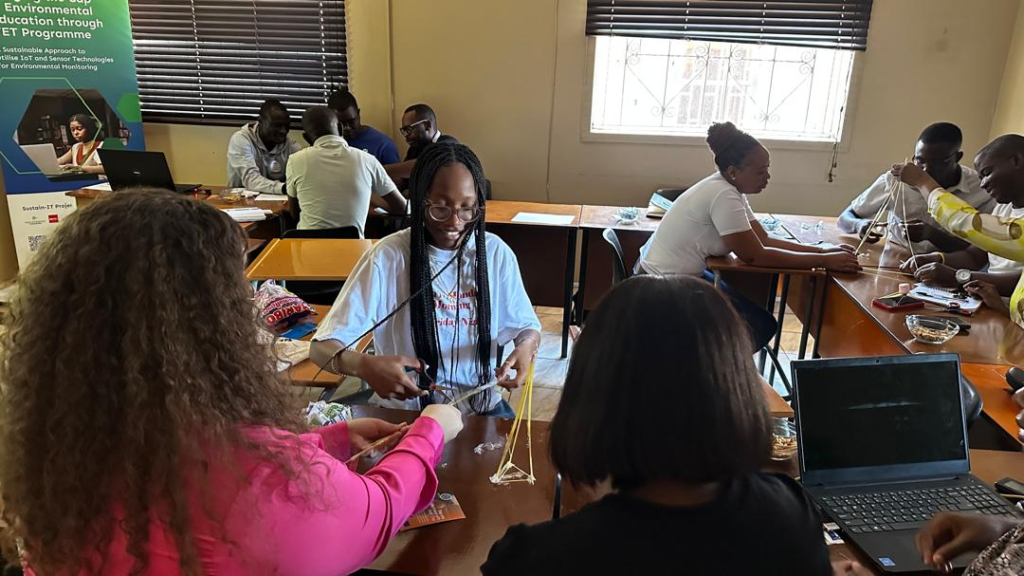
In Zimbabwe, the Harare Institute of Public Health (HIPH) organised a three-day training programme involving 20 participants, including educators, trainers, academic staff, and programme officers working within TVET, higher education, and capacity-building initiatives. The training focused on sustainability education, inclusive and digital teaching practices, and social entrepreneurship, with particular attention to the application of practical and context-appropriate solutions in low-resource learning environments.
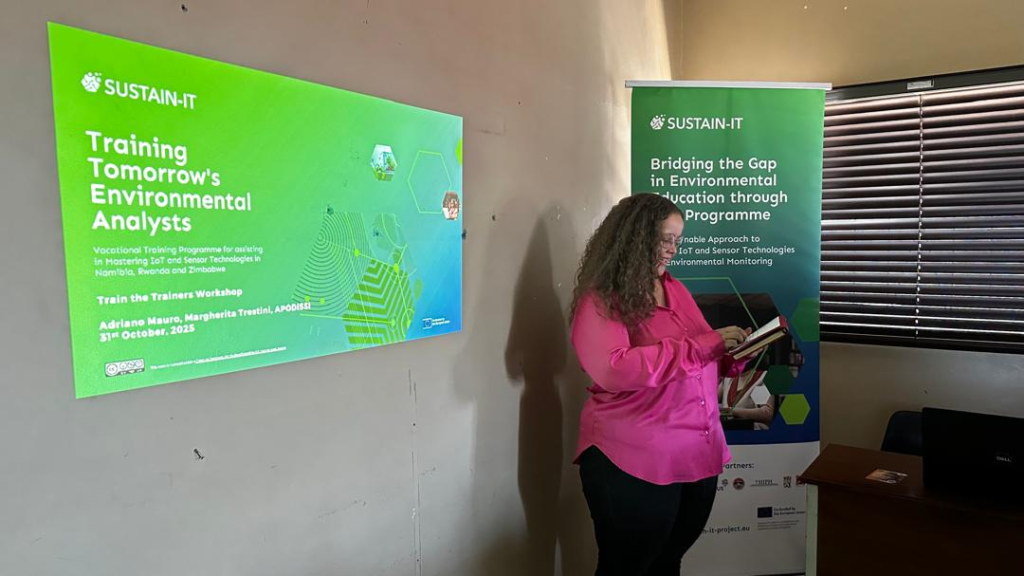
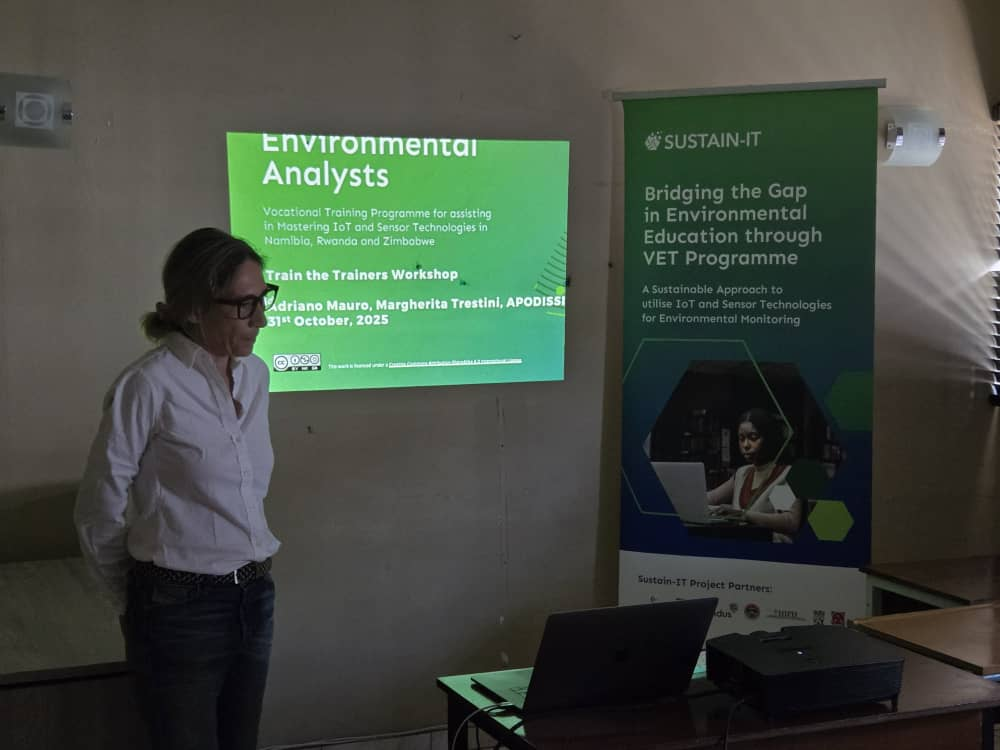
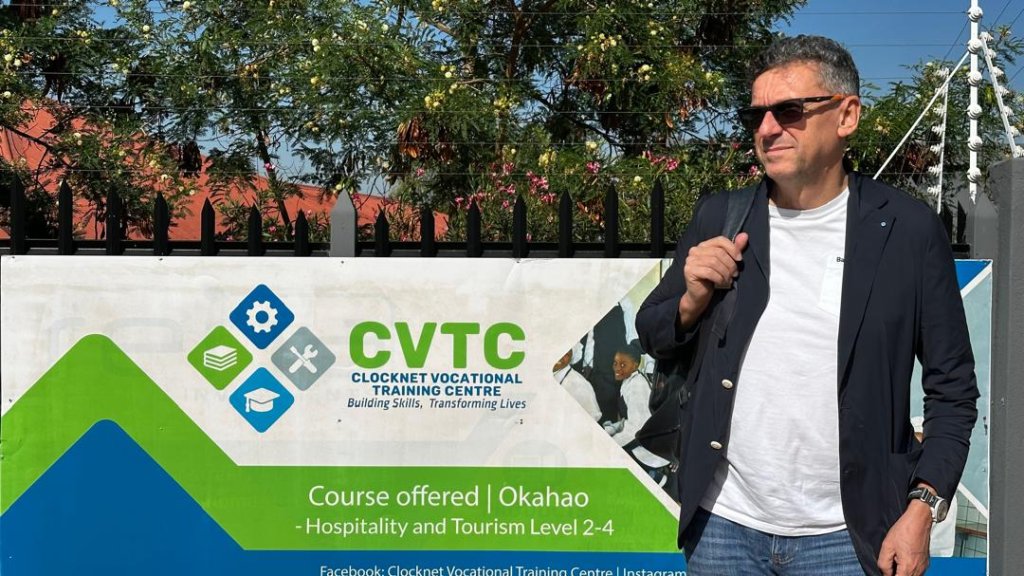
In Namibia, Apodissi conducted a four-hour hands-on workshop at Clocknet TVET School in Windhoek, with the participation of 11 stakeholders, including trainers, school management, the school Principal, and representatives from the Namibian Training Authority. The session introduced challenge-based environmental education, inclusive pedagogical approaches, and social entrepreneurship concepts. The activity also supported dialogue on future institutional collaboration and accreditation-related processes.