
At SUSTAIN-IT, we believe that transforming environmental education in Sub-Saharan Africa requires more than curriculum reform. It requires practical evidence that vocational learners, when equipped with the right tools and teaching approaches, can become agents of change within their communities.
Simukai Vocational Hub in Zimbabwe is demonstrating exactly this through its Green Skills Empowerment Course in horticulture and conservation farming. In 2026, the institution celebrated the graduation of a new cohort of students who successfully completed the intensive programme, which was designed around the three core pillars of the SUSTAIN-IT Project: environmental sustainability, inclusion and digital transformation.
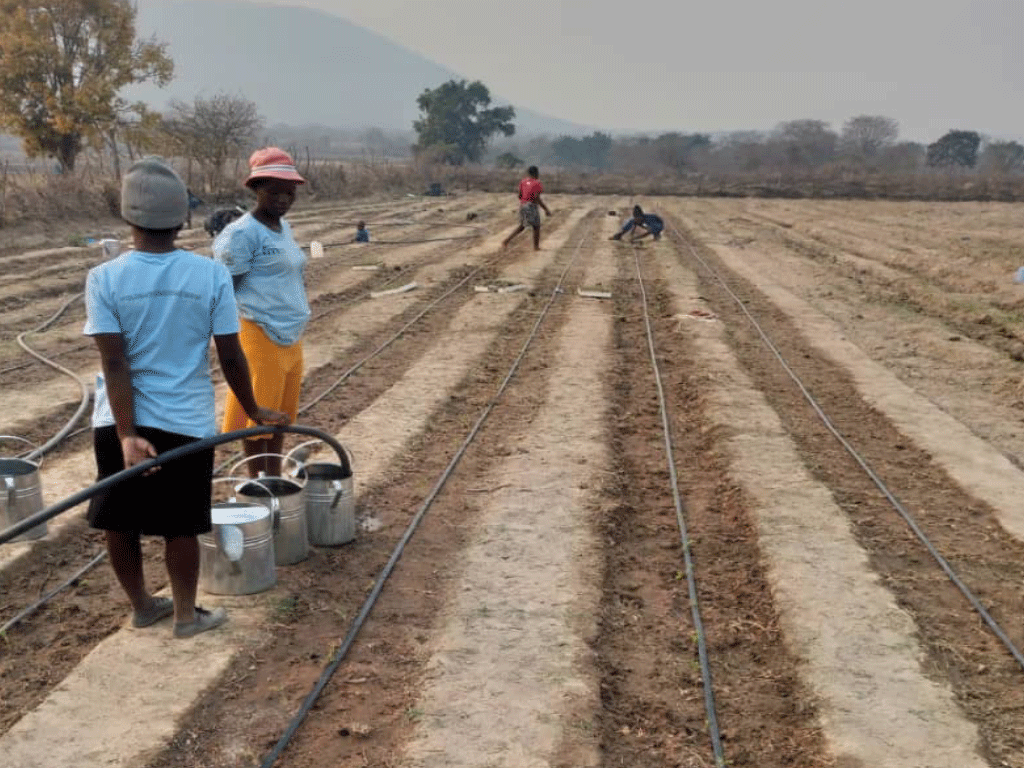
Conservation farming, also known as Conservation Agriculture, is a sustainable production system that protects soil from degradation, conserves water and improves long-term crop productivity. At Simukai Vocational Hub, the approach serves not only as an agricultural practice but also as a practical model for environmental education within Technical and Vocational Education and Training (TVET).
Rather than relying on extensive tilling and ploughing, students are encouraged to understand soil systems, water movement and the environmental impact of agricultural practices. Through challenge-based learning, students engage directly with real environmental issues and develop practical, community-centred solutions.
Environmental sustainability is integrated throughout the programme. Participants learn how retaining organic matter in the soil supports underground microflora, stores carbon and contributes to climate resilience for Zimbabwe’s smallholder farmers. They also explore how improved water infiltration and moisture retention can help crops survive prolonged dry periods.
These are not simply agricultural techniques. They are practical environmental problem-solving skills that align closely with SUSTAIN-IT’s mission to strengthen green and digital competencies across Africa and Europe.
The programme also reflects SUSTAIN-IT’s commitment to inclusion. From the outset, the course was designed to support marginalised young people and learners who may have limited access to mainstream education opportunities. Conservation farming methods are particularly accessible because they reduce reliance on expensive machinery and agricultural inputs, allowing students to apply their knowledge regardless of their economic circumstances.
By equipping learners with practical and sustainable livelihood skills, the programme contributes to improved economic resilience and long-term productivity within local communities.
The project’s digital transformation pillar is also reflected within the training. While conservation farming is grounded in ecological knowledge, students are introduced to the role of digital tools in environmental monitoring, data analysis and sustainable agriculture practices. This approach mirrors the broader objectives of the SUSTAIN-IT Project, which promotes the integration of digital technologies and IoT-based learning within environmental education.
Zimbabwe remains one of the key Sub-Saharan African countries participating in the SUSTAIN-IT Project, and Simukai Vocational Hub continues to demonstrate the impact that socially responsive and environmentally focused TVET programmes can have on communities.
The graduates of the Green Skills Empowerment Course leave with more than vocational skills. They leave with the ability to observe environmental challenges, identify sustainable solutions and contribute meaningfully to their communities through knowledge, creativity and innovation.
Their graduation is not only a milestone for Simukai Vocational Hub, but also a strong example of the positive change that SUSTAIN-IT continues to cultivate across the region.